
Boonville, MO, sits on the Missouri River and features a blend of historic downtown buildings, long-established neighborhoods, and rural-edge properties where large hardwood trees shape the landscape. From Victorian homes near Morgan Street to newer developments on the east side, each area brings its own access limits and tree health concerns. Our network of tree care professionals in Columbia knows how to work on bluff slopes, manage aging oak and elm canopies, and protect structures on properties throughout Cooper County.
That is why so many Boonville, MO, property owners rely on Arbor Tree Care for consistent, year-round maintenance.

Prefer to Talk to An Expert?
(573) 310-2120
Why Boonville Property Owners Choose Local Experts
Professionals who work here understand the area’s elevation changes, dense mature canopy, and floodplain influences. They use methods and equipment suited to Boonville properties, with attention to storm exposure, root intrusion, and fungal disease pressure common across mid-Missouri.
From expert tree pruning solutions along the canopy corridors on Main Street to stump cleanup on older lots near Thespian Hall, each job is completed with care, accuracy, and long-term property health in mind.
If you care about your property, local contractors can help keep your trees healthy, stable, and safer through Boonville’s changing seasons.
Our Tree-Service Services
in Columbia, MO, Include
Tree Care Built for Boonville Neighborhoods
Boonville’s mature trees and uneven terrain call for service plans that adapt to the site, not a generic approach. Local professionals adjust their work to fit everything from bluffside lots to level riverfront parcels.
That applies whether the property is a Victorian home in the Morgan Street corridor, a mid-century ranch near Spring Garden Road, or a rural-edge lot close to the Boonville Industrial Park.
From Tree Trimming and Tree Removal to Stump Removal and Storm Damage response, each service is matched to the property’s layout and tree conditions.
Boonville’s Historic Canopy and Aging Tree Growth
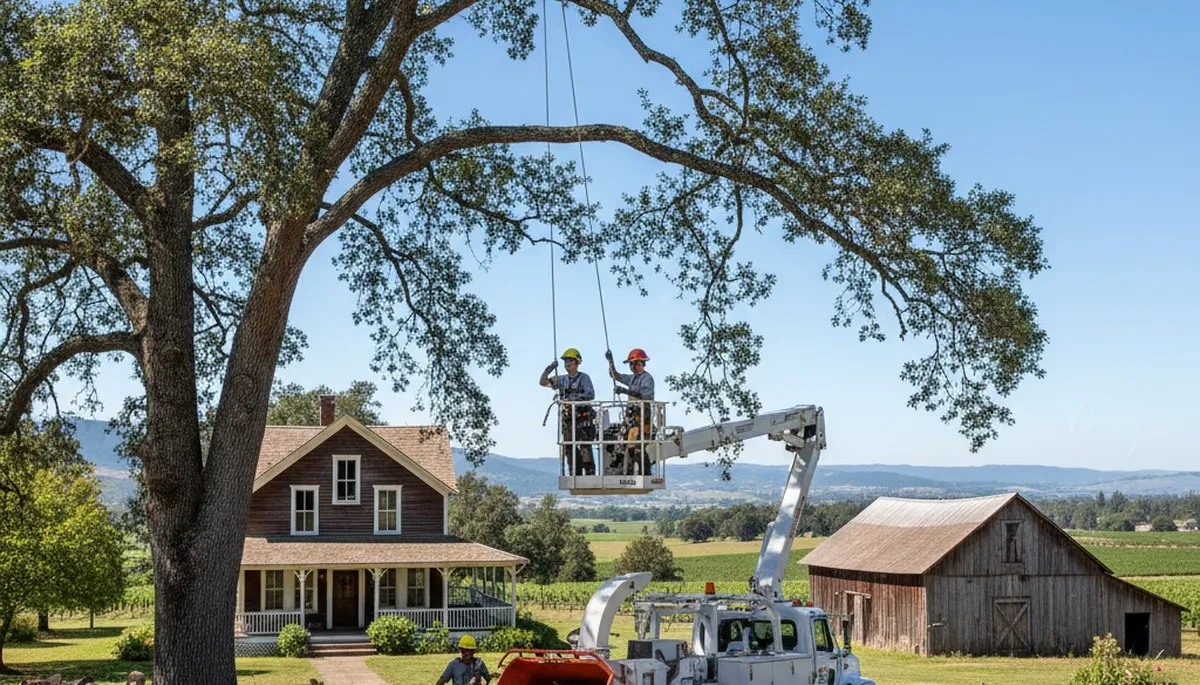
Boonville is one of Missouri’s oldest river towns, with roots that stretch back to the early 1800s. Long-term growth along the Missouri River bluffs has created a dense urban canopy of bur oaks, silver maples, and American elms. That history still shows up in aging root systems, weather-worn branch structure, and crowded canopy lines that shape how tree work is handled today.
Aging Root Systems and Conflicts with Infrastructure
Many properties in Boonville, especially downtown and along Sixth Street, have mature oaks and elms whose roots have spread into sidewalks, utility corridors, and foundation edges over many years. The result can be lifted pavement, structural stress, and safety concerns for property owners.
Local professionals address these issues with targeted Root Protection assessments, selective crown reduction, and careful excavation methods that reduce access problems while preserving as much of the canopy as possible.
Storm-Damaged Limb Structure on Bluffside Lots
Boonville’s elevated bluff properties add character and value, but they also encourage uneven branch growth because of prevailing southwest winds. That imbalance can lead to branch failure during Missouri’s spring storm season and create debris on roofs and driveways.
Professionals manage these conditions with directional pruning, weight reduction cuts, and cable bracing when needed, all based on the slope, wind exposure, and soil conditions of the site.
Fungal Pressure in Low Areas and Riverside Zones
High humidity and recurring Missouri River flooding have left many trees in low-lying parts of Boonville more vulnerable to fungal issues such as oak wilt and hypoxylon canker.
Trusted pros support these trees with Tree Disease Treatments, soil aeration, and targeted Tree Fertilizing programs that strengthen canopy health and help limit spread to nearby trees on shared property lines.
Severe Weather and Emergency Needs
Storm season in mid-Missouri can bring high winds, ice buildup, and occasional tornado-track damage, all of which can break limbs, uproot trees, and block access in Boonville neighborhoods in a short time.
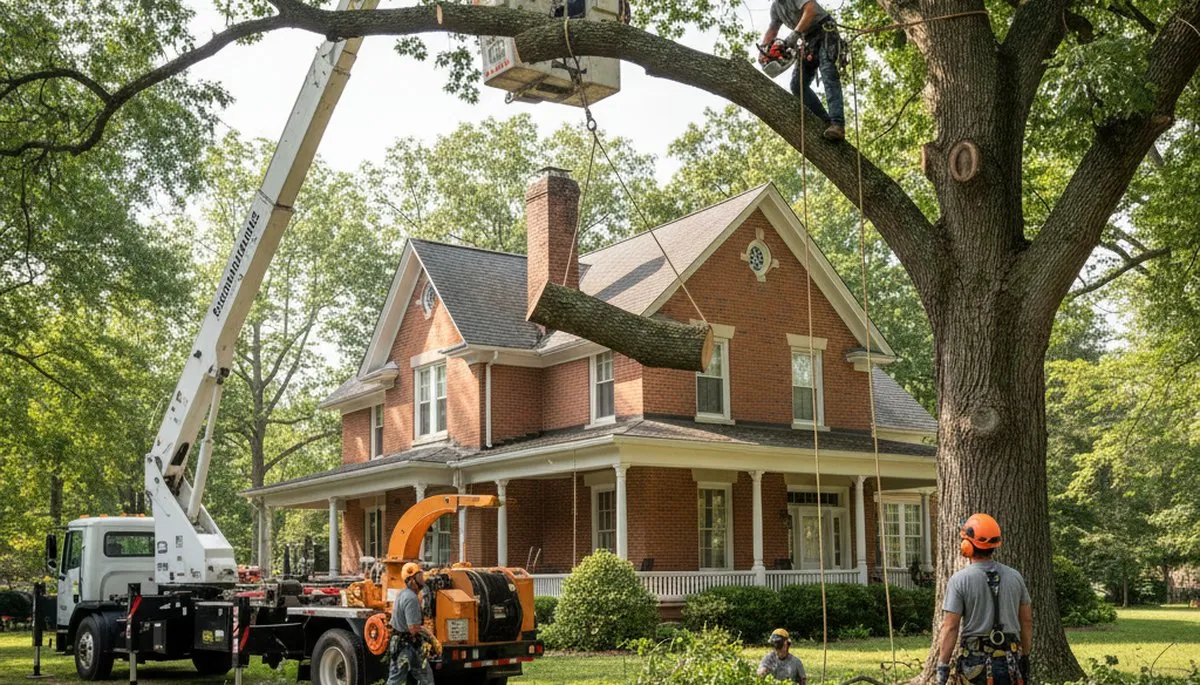
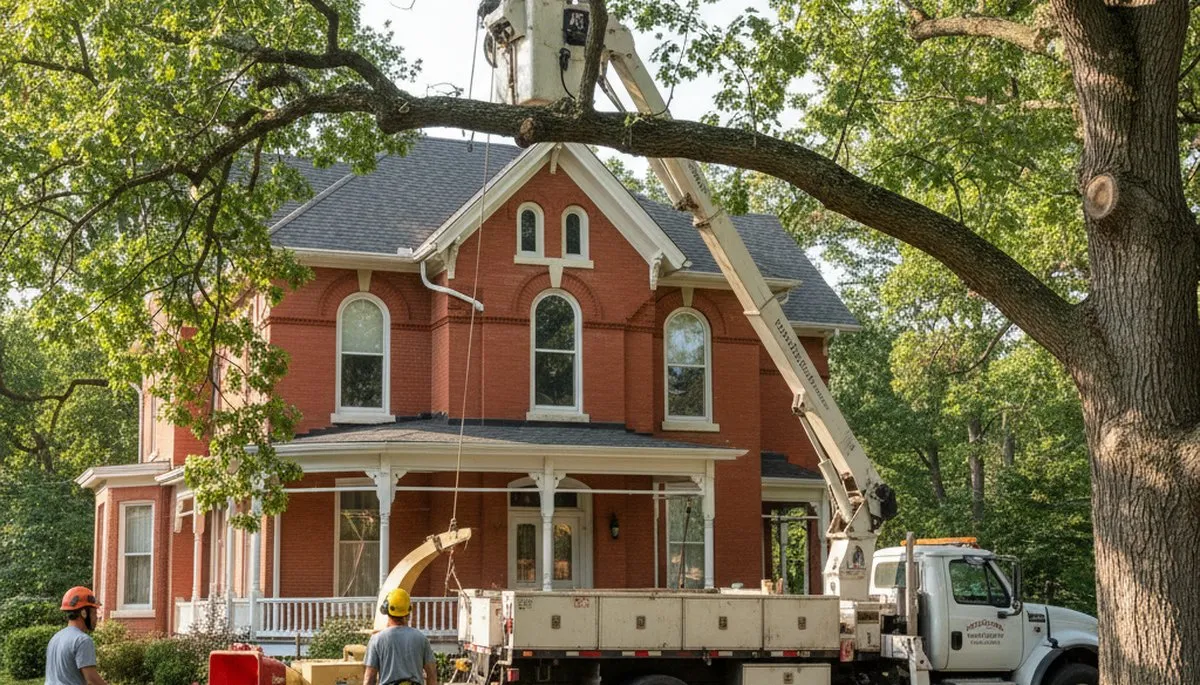
Experienced crews respond quickly with Emergency Tree Services, using rigging systems, aerial lifts, and controlled removal methods to reopen access and reduce the chance of additional damage after a storm.
Tight Access on Older Residential Blocks
Older neighborhoods near Ashley Road and the historic downtown district often have narrow lots and heavy canopy overhang, which makes large equipment harder to use. Local pros rely on compact aerial equipment and hand-climbing methods, with a focus on preserving the canopy and protecting neighboring property while still delivering effective tree care. For year-round care ideas for your Boonville property, request a free quote from a local professional by calling (573) 310-2120. Safe access matters. Let Arbor Tree Care help you maintain it.
Kick off your tree service project today!

Tree Services in Boonville, MO: Care Through Every Season
From routine maintenance to urgent storm cleanup, local pros help keep properties healthy, stable, and accessible all year long:
Routine Tree Trimming and Pruning in Boonville, MO
- Canopy Clearance on Residential Streets: Tree Trimming on established blocks near Morgan Street helps reduce overhang, improve sightlines, and limit debris on driveways and rooflines.
- Structural Pruning for Young Trees: New plantings in Boonville’s growing eastern subdivisions benefit from early pruning that builds balanced branch structure before problems develop.
- Crown Thinning for Better Storm Performance: Reducing interior density on mature oaks and maples in the historic district lowers wind resistance and helps reduce the chance of limb failure during spring storms.
- Deadwood Removal on Aging Elms: Elm trees along Sixth Street and nearby residential corridors often develop dead interior limbs that can fall without warning; routine Tree Pruning removes these hazards before they create problems. Crews serving tree pruning professionals in Fayette, MO use the same structured approach across the region.
- Seasonal Clearance Near Utility Lines: Trimming growth that moves toward overhead utility corridors on Spring Garden Road and nearby streets helps reduce outage risk and supports utility clearance requirements.
Schedule trimming before Boonville’s spring storm season to lower risk and keep your canopy in good shape throughout the year.
Tree Removal Services in Boonville, MO
- Hazardous Tree Removal on Bluffside Lots: Trees leaning toward structures on Boonville’s elevated properties often need controlled removal with rigging that prevents debris from moving downhill or contacting nearby buildings.
- Dead Tree Removal in Established Neighborhoods: Dead silver maples and elms in the historic core are removed in sections to protect fencing, utilities, and nearby trees.
- Storm Damage Tree Removal: After severe weather, Tree Removal crews clear uprooted and split trees from driveways, rooflines, and access roads across Boonville.
- Flood-Stressed Tree Removal Near Riverside Parcels: Trees weakened by periodic Missouri River flooding can develop damaged root systems and unstable structure; removal helps prevent sudden failure on low-lying sites.
- Overgrown Canopy Removal for Property Development: Rural-edge parcels on Boonville’s western side may need selective removal for new construction, fencing, or agricultural use.
Removing dead or structurally weak trees in time helps protect buildings, supports the health of nearby trees, and lowers liability concerns for property owners across Boonville.
Stump Grinding and Cleanup in Boonville, MO
- Stump Grinding in Historic Residential Yards: Stump Removal on compact lots near Thespian Hall and the downtown corridor uses low-profile equipment that helps avoid damage to nearby hardscape and root systems.
- Flush Grinding for Lawn Restoration: Stumps left behind after elm and oak removals in residential neighborhoods are ground level with the soil so mowing, landscaping, and replanting can continue without obstruction.
- Root Flare Cleanup After Removal: After stump grinding, surface root flares are cleared to reduce trip hazards and prepare the area for Tree Planting or turf repair.
- Multi-Stump Clearing on Rural-Edge Properties: Parcels on Boonville’s outskirts with several old stumps from past clearing work receive systematic grinding to restore usable ground for residential or agricultural use.
- Post-Grinding Debris Removal and Site Cleanup: Grinding debris is removed, then the area is raked and leveled so the property is ready for lawn or landscape use without leftover wood chips.
Stump removal reduces regrowth, restores usable ground, and removes the pest habitat that old stumps can create in Boonville’s humid climate, where termite and carpenter ant activity is a regular concern. Similar stump work is provided by crews handling stump grinding in Rocheport, MO along the Missouri River corridor.
Emergency Tree Services in Boonville, MO
- Storm Response and Fallen Tree Clearance: Emergency Tree Services crews respond after high winds and severe weather to clear fallen trees from driveways, rooflines, and access roads in Boonville’s neighborhoods.
- Hazardous Limb Removal After Ice Storms: Ice can overload branches beyond their limit, so emergency crews remove hanging or partially failed limbs before they fall and cause more damage.
- Flood-Damaged Tree Assessment and Removal: After Missouri River flooding, emergency assessments identify trees on riverside and low-lying parcels that may need removal because of structural compromise.
- 24-Hour Response for Blocked Access Points: When fallen trees block driveways or public access routes near downtown and nearby neighborhoods, rapid response crews work to restore access quickly.
- Post-Storm Storm Damage Documentation Support: Emergency crews can help property owners document canopy damage after a storm for insurance and property records.
Fast emergency response helps Boonville property owners limit added damage after severe weather, clear fallen or unstable trees safely, restore access quickly, and address structural risks before conditions get worse.